Healthy Childhoods
Part of guardians
Youngsters' wellbeing
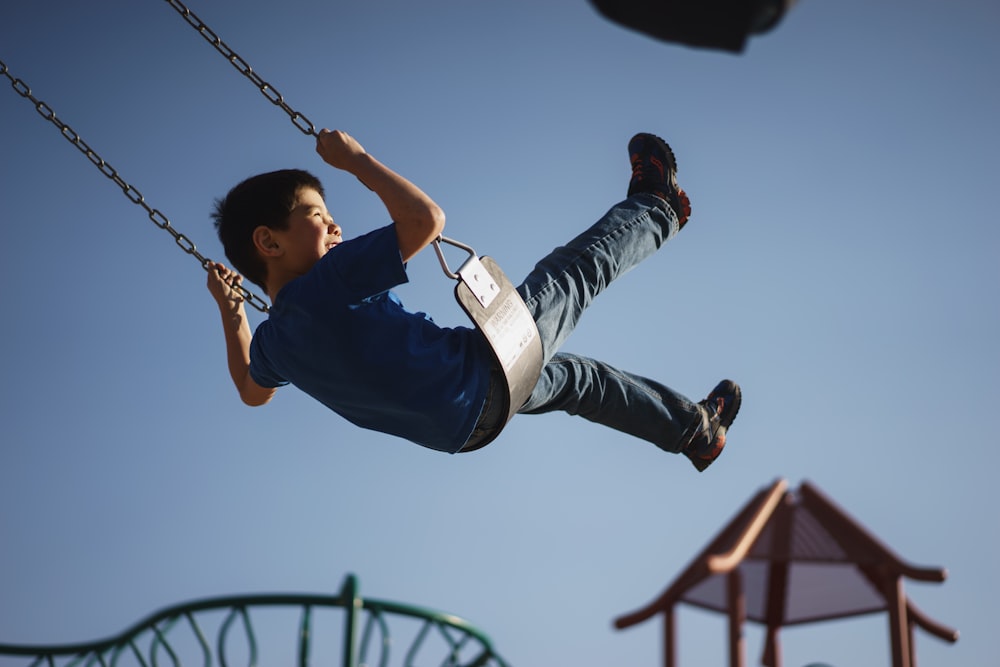
Youngsters' wellbeing incorporates the physical, mental and social prosperity of kids. Keeping up kids' wellbeing suggests offering them solid nourishments, guaranteeing they get enough rest and work out, and securing their security. Kids in specific parts of the world frequently experience the ill effects of unhealthiness, which is regularly connected with different conditions, such the runs, pneumonia and intestinal sickness.
Youngster assurance
Youngster assurance, as indicated by UNICEF, alludes to "averting and reacting to brutality, misuse and manhandle against kids – including business sexual abuse, trafficking, tyke work and destructive customary practices, for example, female genital mutilation/cutting and kid marriage". The Convention on the Rights of the Child secures the key privileges of youngsters.
Play
Play is basic to the subjective, physical, social, and enthusiastic prosperity of youngsters. It offers kids open doors for physical (running, bouncing, climbing, and so on.), scholarly (social aptitudes, network standards, morals and general information) and enthusiastic advancement (sympathy, empathy, and companionships). Unstructured play supports innovativeness and creative ability. Playing and interfacing with other kids, and additionally a few grown-ups, gives chances to kinships, social collaborations, clashes and resolutions. Be that as it may, grown-ups tend to (regularly erroneously) accept that practically the entirety of youngsters' social exercises can be comprehended as "play" and, moreover, that kids' play exercises don't include much aptitude or exertion.
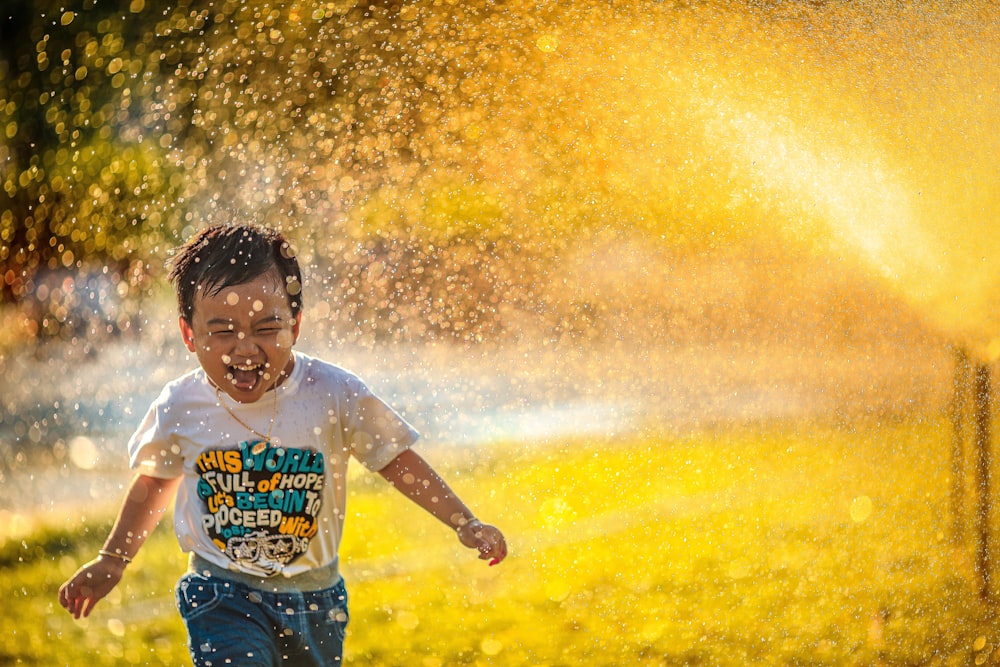
It is through play that youngsters at an early age draw in and connect in their general surroundings. Play enables youngsters to make and investigate a world they can ace, overcoming their feelings of dread while rehearsing grown-up parts, now and again in conjunction with other kids or grown-up parental figures. Undirected play enables kids to figure out how to function in gatherings, to share, to arrange, to determine clashes, and to learn self-promotion abilities. Be that as it may, when play is controlled by grown-ups, youngsters submit to grown-up principles and concerns and lose a portion of the advantages play offers them. This is particularly valid in creating innovativeness, authority, and gathering aptitudes.
Play is thought to be so vital to ideal youngster advancement that it has been perceived by the United Nations Commission on Human Rights as a privilege of each child.[31] Children who are being brought up in a rushed and constrained style may confine the defensive advantages they would pick up from tyke driven play.
The commencement of play in a classroom setting enables instructors and understudies to communicate through perkiness related with a learning background. Along these lines, fun loving nature helps the associations amongst grown-ups and youngsters in a learning situation. "Energetic Structure" intends to join casual learning with formal figuring out how to create a powerful learning background for youngsters at a youthful age.
Despite the fact that play is thought to be the most imperative to ideal kid advancement, the earth influences their play and thusly their improvement. Poor youngsters defy across the board natural imbalances as they encounter less social help, and their folks are not so much responsive but rather more tyrant. Youngsters from low salary families are well on the way to have less access to books and PCs which influences their improvement as they don't approach assets that would upgrade their advancement.
Road culture
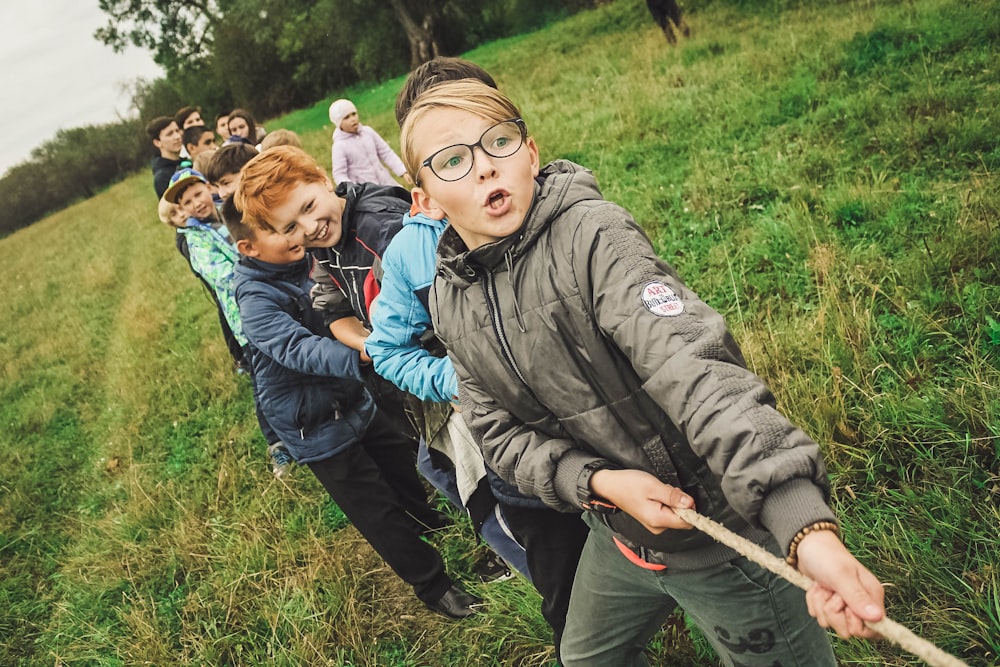
Youngsters' road culture alludes to the combined culture made by youthful kids and is now and again alluded to as their mystery world. It is most normal in youngsters between the ages of seven and twelve. It is most grounded in urban common laborers modern locale where youngsters are customarily allowed to play out in the lanes for extensive stretches without supervision. It is concocted and to a great extent managed by kids themselves with minimal grown-up impedance.
Youthful kids' road culture normally happens on calm backstreets and asphalts, and along courses that wander out into nearby stops, play areas, scour and no man's land, and to neighborhood shops. It frequently forces inventive status on specific areas of the urban domain (nearby structures, kerbs, road objects, and so forth.). Youngsters assign particular zones that fill in as casual gathering and unwinding places (see: Sobel, 2001). A urban territory that looks faceless or fail to a grown-up may have profound 'soul of place' implications in to youngsters. Since the appearance of indoor diversions, for example, computer games, and TV, concerns have been communicated about the essentialness – or even the survival – of kids' road culture.
Kids' rights
Kids' rights are the human privileges of kids, with specific thoughtfulness regarding the privileges of unique security and care stood to minors, and arrangement of essential necessities. Youngsters' rights are not regarded in all nations. Internationally, a large number of kids are subjected to abuse, including hardship of training, youngster work, constrained military administration, or detainment in organizations or confinement focuses where they bear poor conditions and brutality.
Research in sociologies
As of late there has been a quick development of enthusiasm for the sociological investigation of adulthood. Coming to on a vast assortment of contemporary sociological and anthropological research, individuals have created key connections between the investigation of adolescence and numerous controls including social hypothesis, investigating its authentic, political, and social measurements universally.
Theoretical
The article introduces the consequences of a survey of 1936 guardians, who's preschool youngsters visit Moscow kindergartens, about association of easy breezy movement. It proceeds with a cycle of works about preschool human science led by specialists of Institute for Sociology of Education RAE. Extraordinary consideration is given to the thought of place of joint play of guardians with their kid when all is said in done structure of family recreation time and contribution of guardians in a drop in the bucket. Other than we dissect portrayals of guardians about amusement inclinations of preschoolers: what toys and recreations are favored by their youngsters. The examination is led on the effect of various statistic (sexual orientation, age) and social stratification factors (material status, instruction level, piece of the family, and so on.).


No comments:
Post a Comment